Half Your Case Fans Are Plugged Into Headers Your Motherboard Can't Actually Control
A 4-pin header doesn't always mean your motherboard has proper control over whatever fan you connect to it.
Most car stereos give you a basic equalizer, if that. Poweramp and Android Auto can go much further.
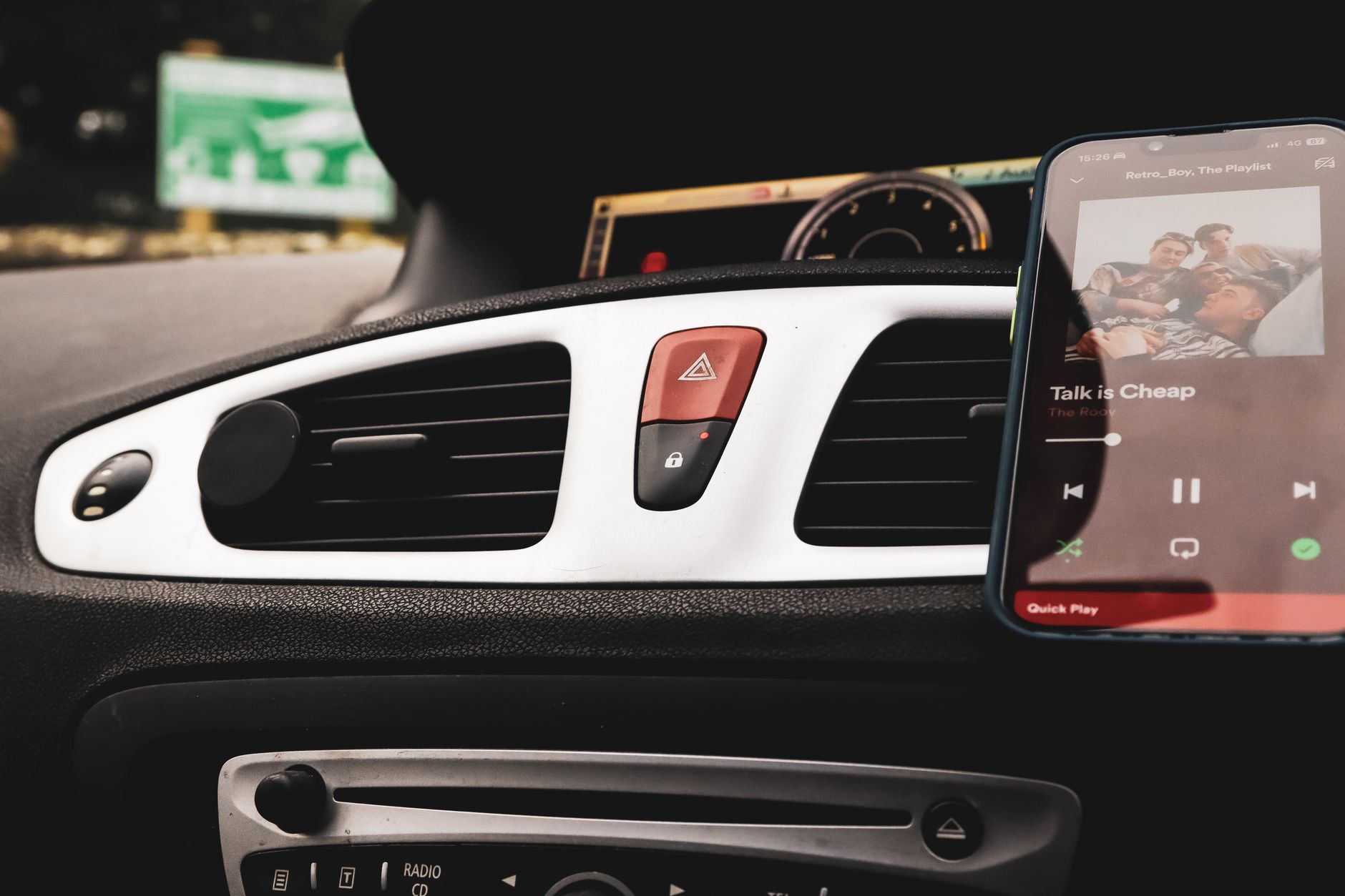
As a bit of an audiophile, I care a lot about audio quality. Even when I’m just driving for a short distance, I want my tunes to sound just right, and I definitely don’t like having to settle for my car’s basic infotainment system. The problem is that most car stereos give you a basic equalizer, if that. You might find a few presets, which are fine for casual listening, but they don’t give you much room to dial in the sound you want.
Since I use my Android phone via Android Auto to listen to my music, I decided to look for apps to solve this problem. It turns out, I had the solution installed on my phone all along. My preferred local music listening app is Poweramp, which works perfectly with Android Auto and has its own audio engine that can give you far more control than the built-in controls in your car. Between the parametric equalizer, bass and treble controls, and granular control over my music playback experience through tools like gapless playback and ReplayGain, Poweramp lets me get an audiophile music listening experience right there via my Android Auto infotainment system.
The main reason to use Poweramp in the car is that your car doesn’t offer enough controls. A typical car stereo might give you simple rock, pop, or classical presets, but these barely move the needle as far as audio playback goes. If I find the bass too overpowering or the vocals too recessed, these presets can’t really give me full control over the experience.
Poweramp does. In fact, it gives me extremely fine-grained control over audio playback. The equalizer can work in both graphical mode for straightforward adjustments and the more involved parametric mode, which lets you configure individual bands - up to 32 of them. That’s a massive upgrade over anything that your car might have built in.
Look, I’m not sitting around with a calibration mic in my car. Most of the time, I’m just using that flexibility primarily to compensate for the way that my car sounds. This is anything but an audiophile-optimized listening environment, and certain frequencies can be more emphasized or diminished. In fact, you might want to adapt the sound signature based on what you’re listening to. For example, I’ve been listening to a lot of drum and bass lately. It’s the kind of music that benefits from tight bass. Nor do I want to bump up the speakers just because I want a bit more bass attack. Instead, I tweak the sound using the equalizer until I’m happy with how it sounds.
Since Poweramp is geared towards enthusiasts, the audio controls go far beyond just equalization. If you like mucking around with a bunch of equalization adjustments at once, the pre-amp is your friend. Pushing treble-oriented frequencies too far can introduce clipping, so the pre-amp lets you adjust the source audio level before applying those changes.
Since a lot of my local music library comes from a variety of sources, including live recordings and even vinyl rips, the audio normalization levels can vary quite a bit. Using a pre-amp helps me bring some sanity to the mix and lets me avoid tracks sounding too loud for comfort. This, combined with ReplayGain support, goes a long way towards reducing the volume difference between tracks without constantly fiddling with the volume knob.
Now, all this can sound pretty daunting and, to a certain degree, it is. I definitely wouldn’t want to be adjusting these settings on my car’s infotainment display. Instead, I do the entire configuration on my phone. All these changes then translate to playback via Android Auto. I already use Poweramp to manage my offline music library, so the equalization functions are a natural extension of how I use the app. Having access to these via Android Auto just makes sense.
That said, if you want all the benefits of Poweramp’s equalization, you can also download the Poweramp Equalizer app. Since most of my music listening tends to be through my local high-resolution music library, sticking to the full-fledged Poweramp app makes sense.
Given the way Poweramp pipes music through its own high-resolution pipeline rather than the default Android music processing, I see the app less as a replacement for Android Auto’s music interface and more as the audio engine beneath it. Poweramp’s Android Auto-friendly interface gives me an easy way to control my music playback, while Poweramp pipes in the music with all my equalization and customization intact.
Once you’ve dialed in the settings, Poweramp more or less fades into the background, letting the music take center stage.
A 4-pin header doesn't always mean your motherboard has proper control over whatever fan you connect to it.
The most reliable appliances in a power user's home are often 10 to 20 years old - and they can still join your Home Assistant setup.
Snap Layouts feels bare-bones after a while. Switching to GlazeWM, an i3-style tiling manager, changed how I manage windows on Windows 11.